The 2025 Guide to Outbound Sales Tools That Actually Drive B2B Results
This comprehensive blog post reveals the essential tools across five categories that separate high-performing teams from those struggling to hit quota.
Downloadable:
Introduction
B2B teams using modern sales engagement platforms report 43% more qualified meetings and 38% shorter sales cycles compared to outdated tool stacks. Yet most sales teams still cobble together disconnected point solutions that create more problems than they solve.
The sales technology landscape has exploded. Over 1,000 vendors now compete for your budget with promises of magical results. Choosing wrong means wasted money, frustrated reps, and lost pipeline opportunities. Choosing right creates systematic advantages that compound over time.
This guide cuts through the noise. You'll learn exactly which tools drive real results, how they work together, and what you should expect to pay. No vendor propaganda or theoretical frameworks. Just practical guidance based on what actually works in B2B outbound sales today.
Understanding the Modern B2B Sales Tech Stack
The days of spreadsheets and manual dialing are over. Modern outbound sales requires sophisticated technology to compete effectively. But throwing money at random tools won't solve your problems. Success comes from understanding how different categories work together to create systematic advantages.
Core Categories That Drive Results
Your sales stack needs five fundamental capabilities:
Sales engagement platforms to orchestrate multi-channel outreach
Email automation tools to scale personalized messaging
Sales intelligence software to identify and research prospects
Intent data platforms to prioritize timing
Productivity tools to eliminate repetitive tasks
Each category serves a specific purpose. Sales engagement platforms act as command centers, coordinating activities across channels. Email tools ensure messages reach inboxes at scale. Intelligence platforms provide data for personalization. Intent platforms identify buying signals. Productivity tools free SDRs to focus on selling.
The magic happens when these categories integrate seamlessly. Data flows from intelligence platforms into engagement tools. Intent signals trigger automated sequences. Productivity tools eliminate friction between systems. This connected ecosystem transforms individual tools into force multipliers.
Budget Allocation That Makes Sense
Most teams allocate budgets backwards. They buy the shiniest tools first, then scramble to afford essentials. Smart allocation follows this framework:
40% on sales engagement platforms (your operational foundation) 25% on sales intelligence and data 20% on email and deliverability tools 10% on intent data platforms 5% on productivity enhancers
This allocation ensures you nail fundamentals before adding sophistication. A great engagement platform with basic data beats mediocre execution with perfect intelligence every time.
Tool evaluation often devolves into feature comparison spreadsheets that miss what actually matters. Features don't drive results. Adoption, integration, and execution do.
Performance Measurement That Matters
Evaluate tools based on measurable impact:
Time to value (how quickly you see results)
User adoption rates (whether reps actually use it)
Integration depth (how well it connects to your stack)
Support quality (how quickly problems get resolved)
ROI timeline (when investment pays off)
According to research from G2, companies that prioritize adoption over features see 2.3x higher ROI from sales tools. The best platform that no one uses delivers zero value.
Test everything before buying. Free trials reveal more than any demo. Have actual users evaluate tools in real scenarios. Track specific metrics during trials: emails sent, meetings booked, time saved. This data justifies investment better than vendor promises.
Integration Requirements Analysis
Disconnected tools create data silos that cripple productivity. Before buying anything, map your data flow requirements:
Where does prospect data originate? How should activities sync to your CRM? What triggers should automate workflows? Which reports need cross-platform data?
Native integrations beat third-party connectors. Direct API connections provide real-time syncing, better reliability, and cleaner data. Zapier works for simple connections but struggles with complex workflows or high volumes.
Category 1: Sales Engagement Platforms
Sales engagement platforms orchestrate your entire outbound motion. They coordinate emails, calls, and social touches while tracking every interaction. These platforms form the operational backbone that everything else connects to.
What Modern Engagement Platforms Deliver
Top platforms provide:
Multi-channel sequence automation
Activity tracking and analytics
Team collaboration tools
AI-powered recommendations
Conversation intelligence
Performance optimization
The best platforms feel like mission control for outbound sales. Reps see prioritized tasks, managers track performance, and operations optimize processes, all from one interface.
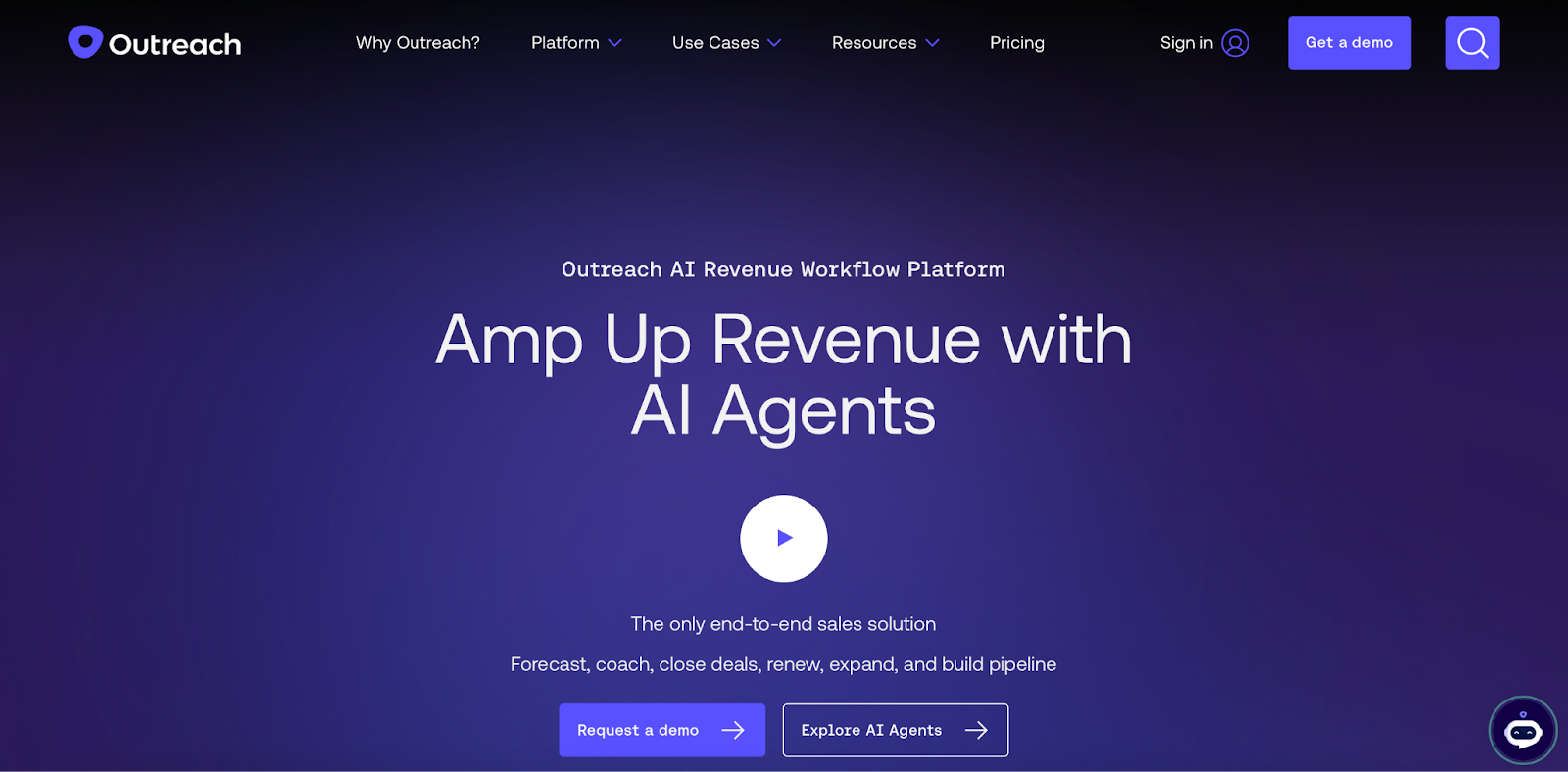
Outreach dominates enterprise sales engagement with sophisticated automation and AI capabilities. Their platform excels at complex, multi-touch sequences across channels.
Strengths include:
Advanced sequence logic with branching
Native conversation intelligence
Robust analytics and forecasting
Deep Salesforce integration
AI-powered rep coaching
Pricing starts around $100 per user monthly but scales to $150+ with advanced features. Most mid-market companies invest $75,000-150,000 annually.
Best for: Companies with complex sales cycles, enterprise deals, and Salesforce as their CRM. Teams that need sophisticated routing, governance, and analytics.
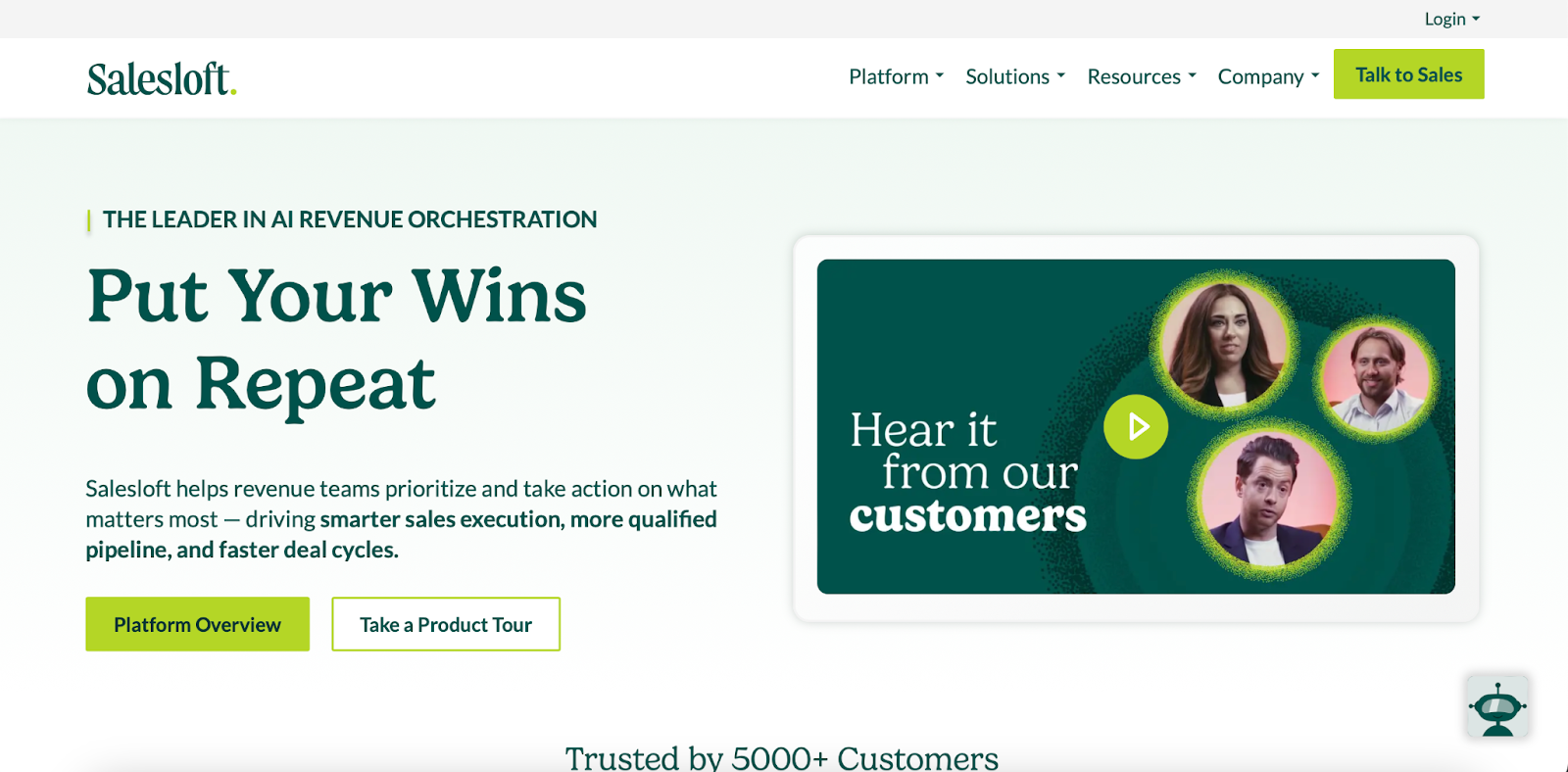
Salesloft competes directly with Outreach, offering similar capabilities with different strengths. Their "Rhythm" workflow engine excels at prioritizing rep activities.
Key differentiators:
Superior email deliverability tools
Better mobile experience
Conversation intelligence included
Pipeline management features
Simpler user interface
Pricing matches Outreach at $75-125 per user monthly. Annual contracts typically run $50,000-125,000.
Best for: Teams prioritizing ease of use, email-heavy outbound, and complete pipeline visibility. Companies wanting conversation intelligence without separate purchase.
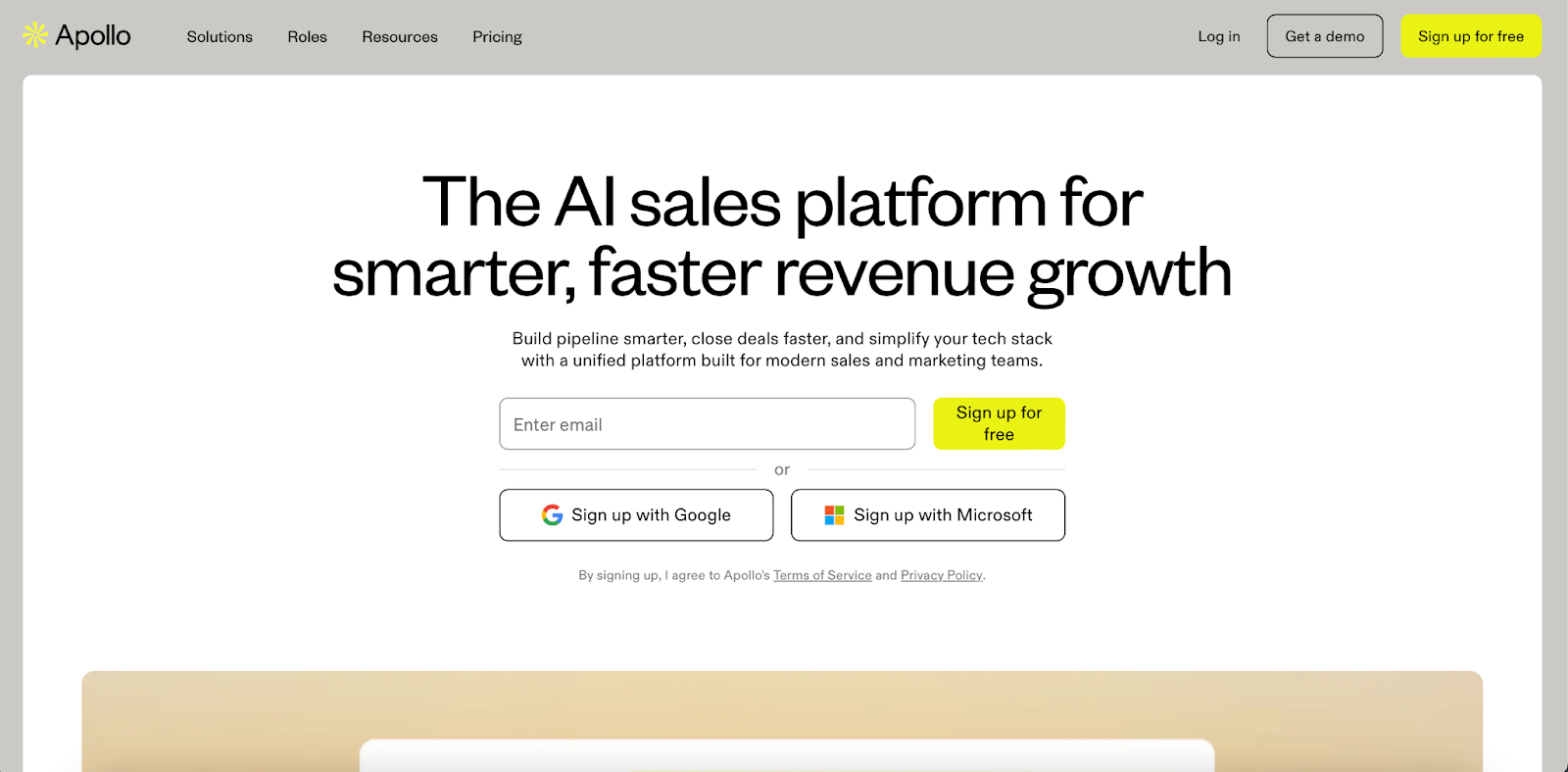
Apollo bundles contact data, engagement, and intelligence into one platform. This integration eliminates tool sprawl and reduces costs significantly.
Unique value proposition:
Built-in database of 260M+ contacts
Integrated email automation
Native intent signals
Affordable pricing tiers
No separate data costs
Pricing starts at $49 per user monthly for basic plans, scaling to $119 for full features. This includes data that would cost thousands separately.
Best for: Startups and growth companies wanting everything in one platform. Teams tired of managing multiple vendor relationships and integrations.
Reply.io: The Automation Specialist
Reply focuses on multi-channel automation at an affordable price point. They excel at email and LinkedIn coordination without enterprise complexity.
Platform highlights:
AI-powered email assistant
LinkedIn automation included
Cloud-based calling
Affordable agency plans
Simple setup process
Pricing begins at $60 per user monthly with all features included. No hidden costs or complex tiers.
Best for: Small teams, agencies, and companies focused on email and LinkedIn outreach. Organizations wanting sophistication without enterprise prices.
A tip from us: Don't buy based on features you might use someday. Choose platforms that excel at what you need today with room to grow. Most teams use 20% of available features. Make sure that 20% is exceptional.
Category 2: Email Automation and Deliverability Tools
Email remains the workhorse of B2B outbound, generating more pipeline than any other channel. But success requires both sophisticated automation and bulletproof deliverability. One without the other guarantees failure.
The Deliverability Crisis
Email providers have declared war on mass outreach. Google and Microsoft continuously tighten spam filters, making legitimate outreach harder. Research shows average B2B email deliverability dropped from 87% to 79% in the past year alone.
Poor deliverability creates cascading problems:
Messages land in spam, wasting effort
Domain reputation degrades over time
Response rates plummet below 1%
Sales confidence erodes
Pipeline generation stalls
Modern email tools solve this through sophisticated warming, rotation, and reputation management that keeps messages reaching inboxes.
Leading Email Platforms
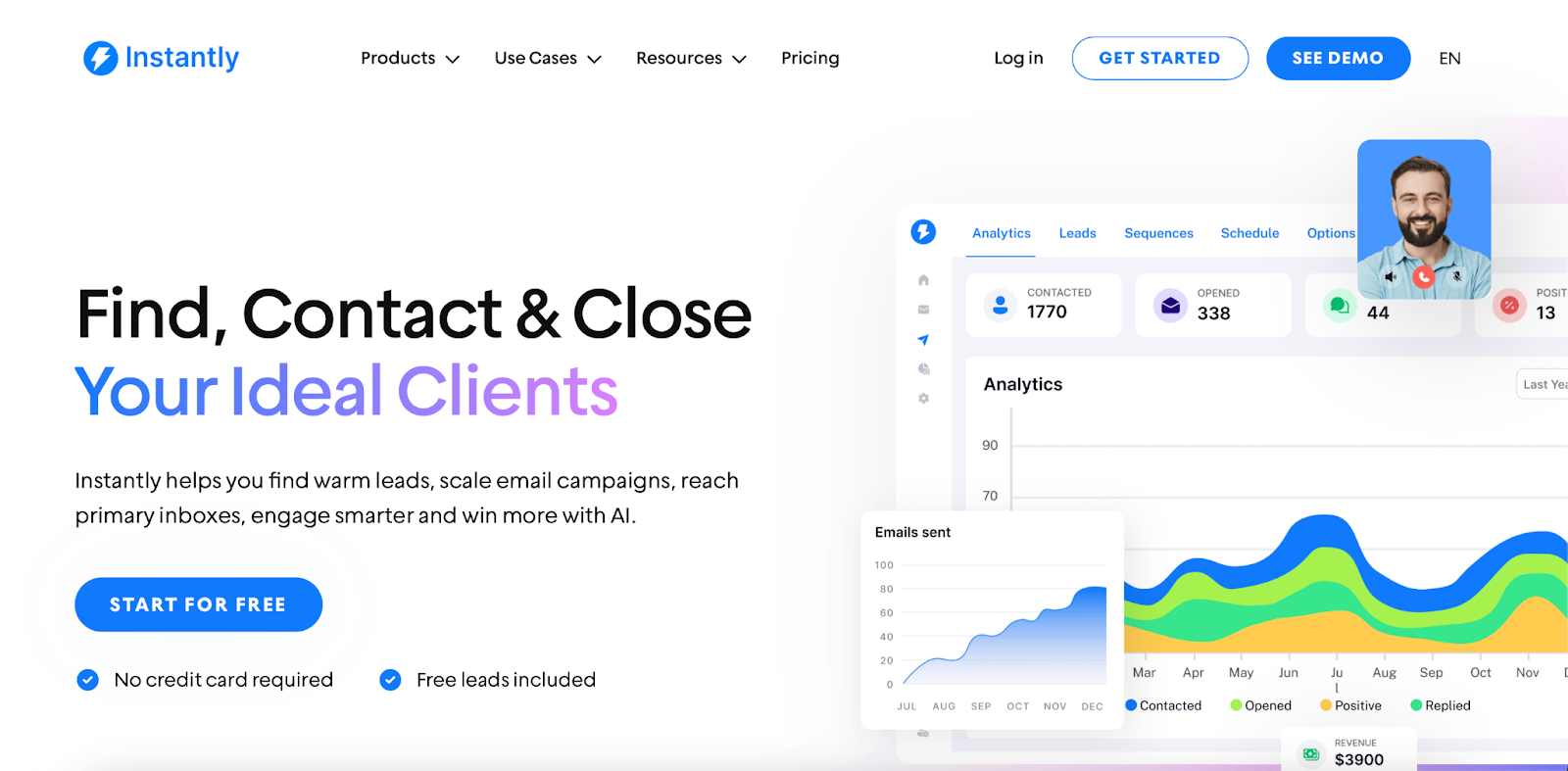
Instantly.ai revolutionized cold email with unlimited email account rotation and built-in warming. Their infrastructure sends from multiple domains, protecting reputation while scaling volume. Pricing at $37 per month for unlimited sending makes them incredibly cost-effective.
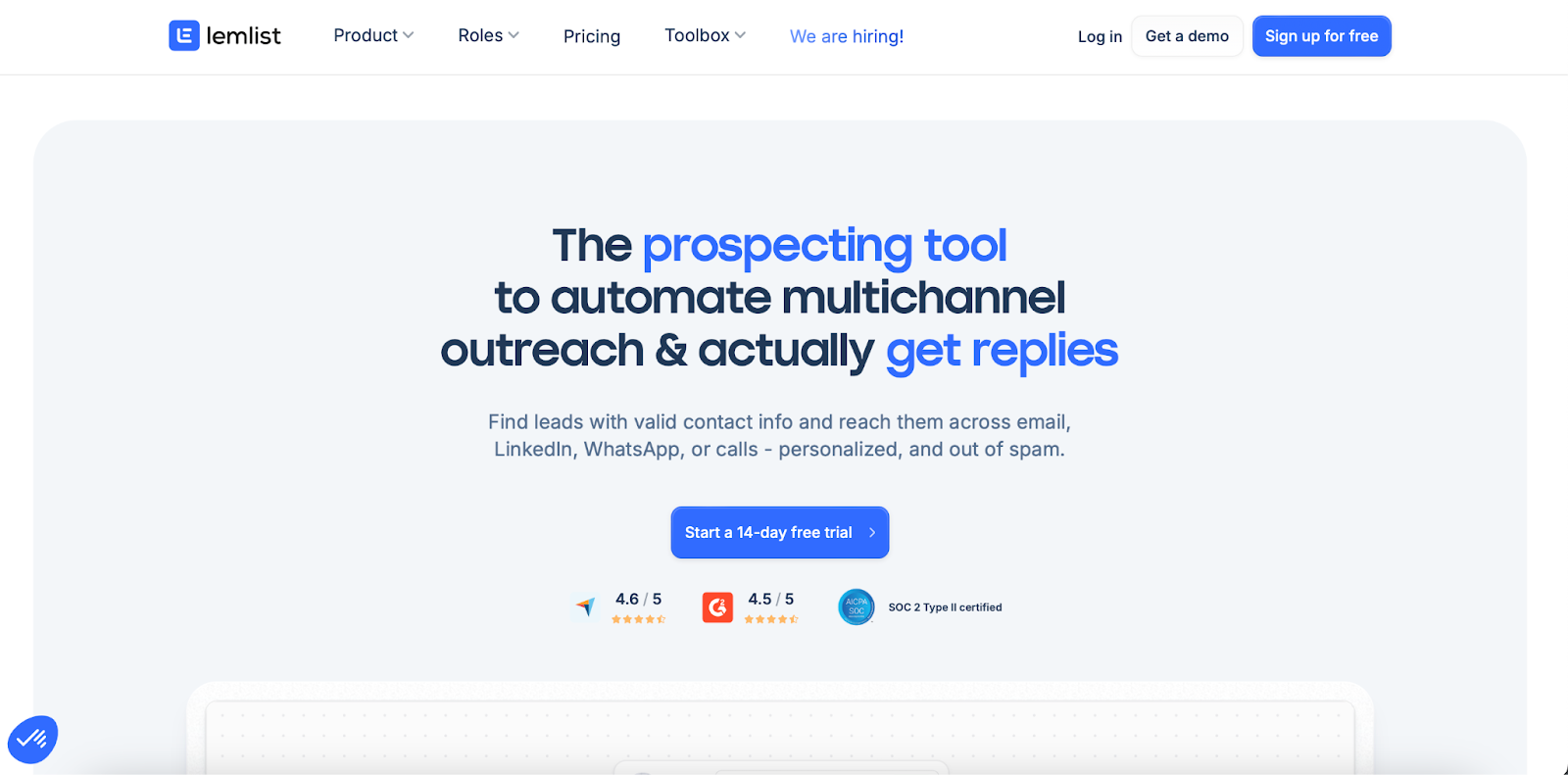
Lemlist pioneered email personalization at scale with dynamic images and videos. Their creative features help messages stand out in crowded inboxes. At $59 per user monthly, they balance features with affordability.
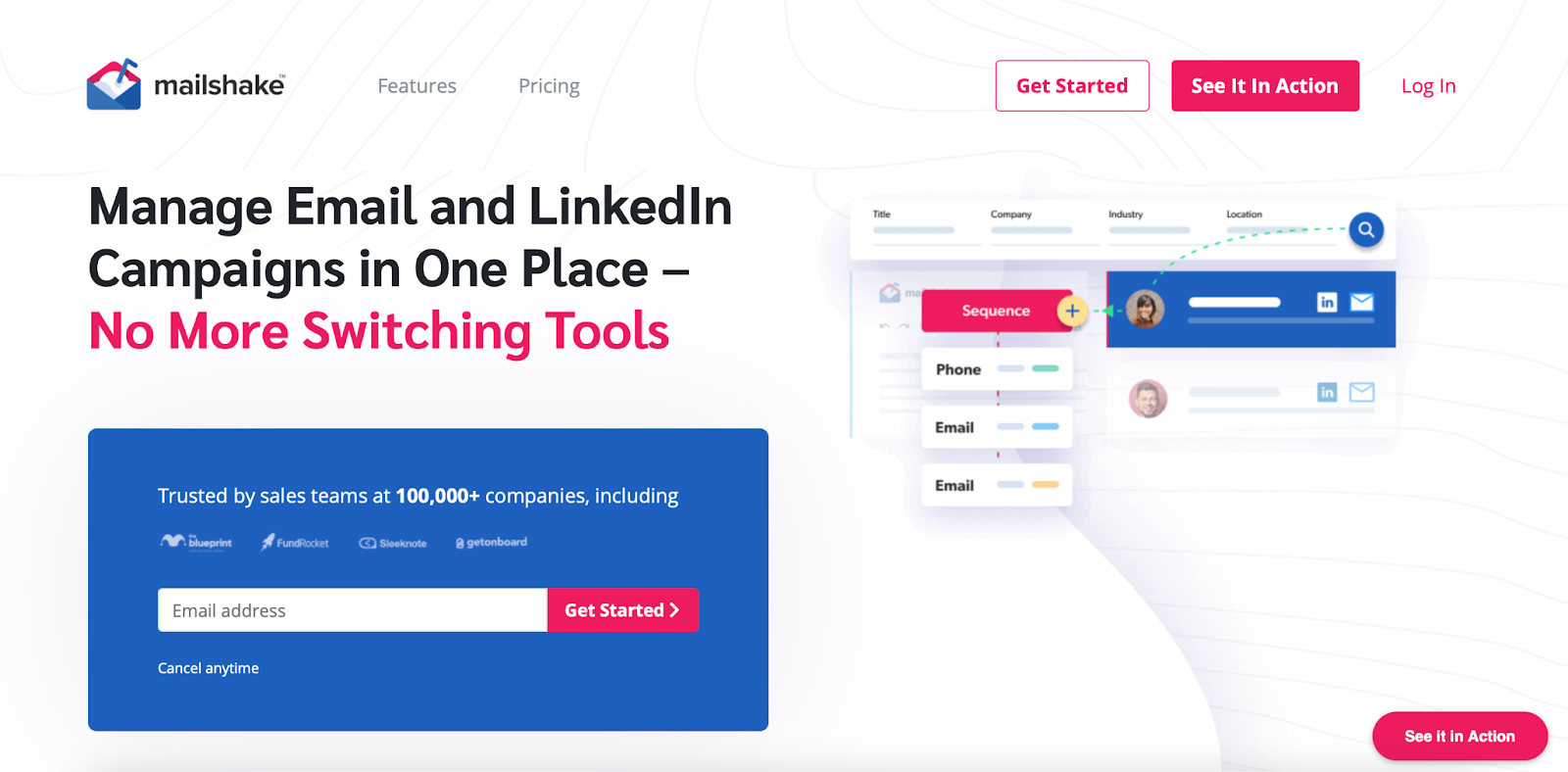
Mailshake focuses on simplicity and reliability for sales teams. Clean interface, solid deliverability, and sales-specific features. Pricing at $59 per user monthly includes phone dialing integration.
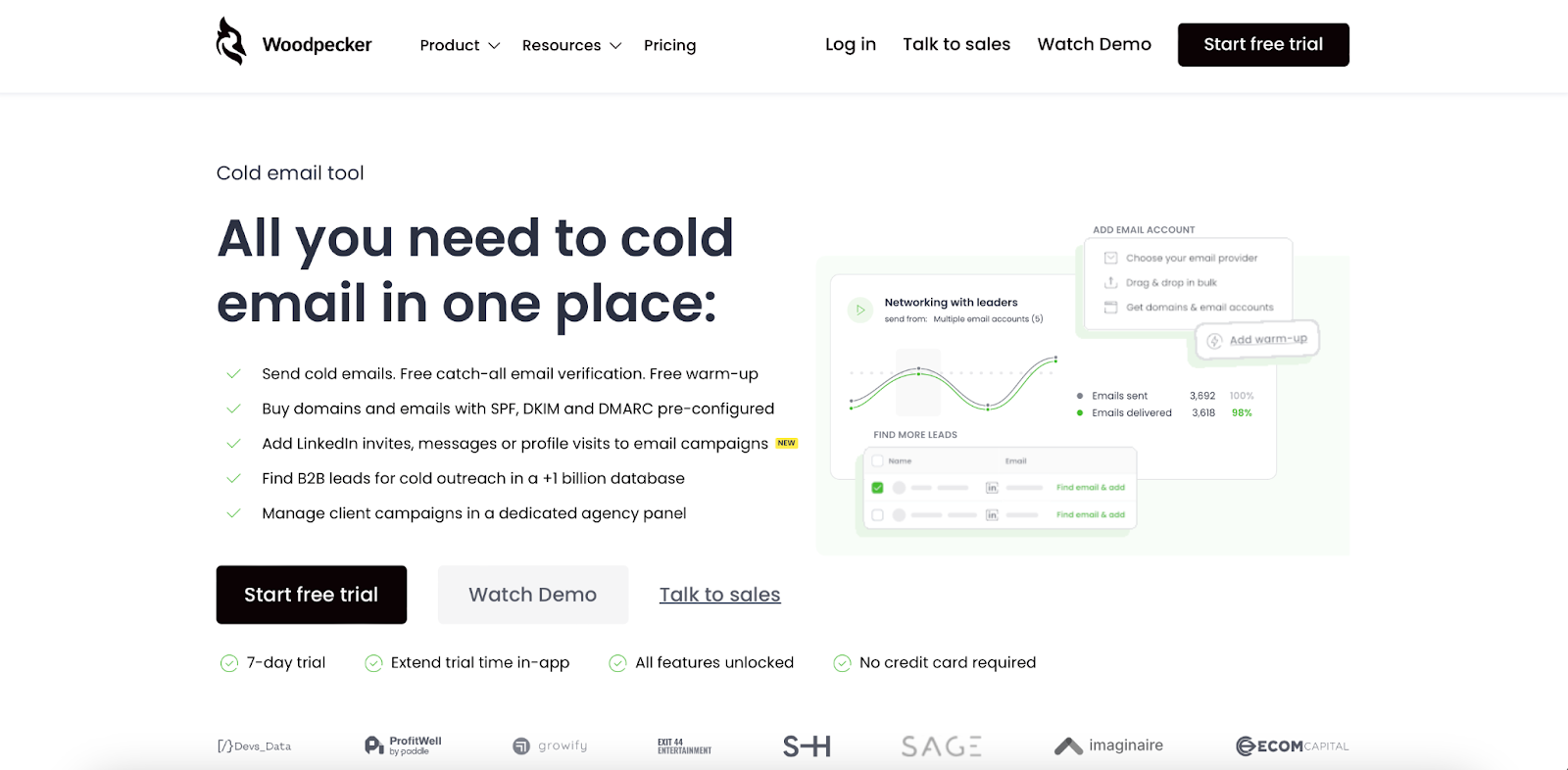
Woodpecker specializes in careful, targeted outreach with advanced reply detection and follow-up logic. Their conservative sending approach maintains exceptional deliverability. Plans start at $49 monthly.
Choose based on volume needs. High-volume teams need Instantly's infrastructure. Personalization-heavy approaches benefit from Lemlist. Traditional sales teams appreciate Mailshake's simplicity.
Accurate data powers effective outreach. Sales intelligence platforms provide the contact information, company insights, and organizational intelligence that fuel personalization and improve connection rates.
The Data Quality Imperative
Bad data destroys productivity and reputation. Research indicates 25% of B2B contact data decays annually through job changes, company updates, and market dynamics. Using outdated information wastes time and damages credibility.
Quality intelligence platforms provide:
Verified contact information
Real-time data updates
Company technographics
Organizational charts
Trigger event monitoring
Competitive intelligence
The best platforms combine multiple data sources, machine verification, and human validation to maintain accuracy above 95%.
Platform Comparison and Selection
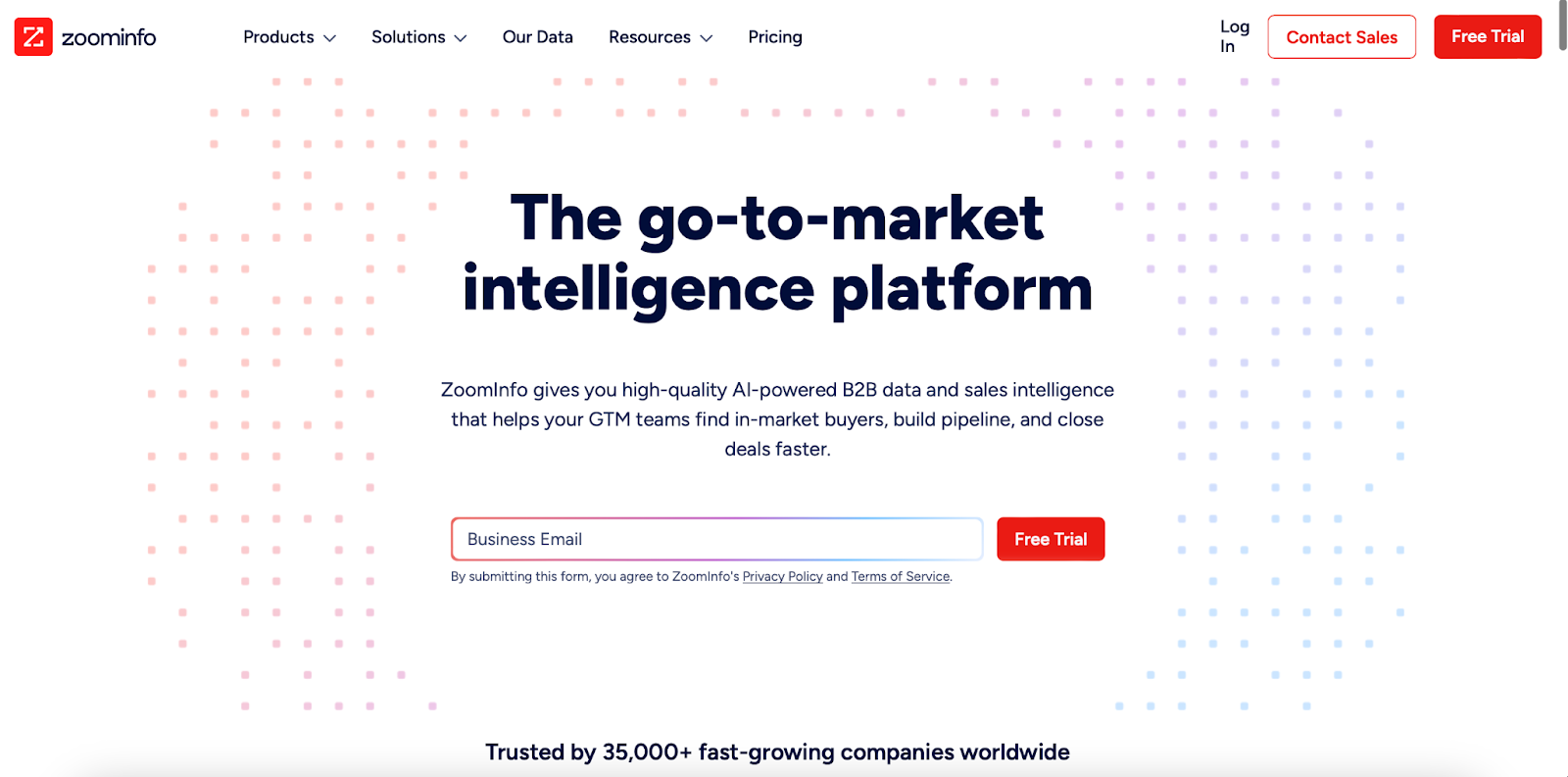
ZoomInfo remains the enterprise leader with the largest B2B database and sophisticated intent data. Their platform includes:
300M+ professional profiles
Advanced search filters
Organizational charts
Technology install data
Intent signals and scoops
Pricing starts around $15,000 annually for small teams, scaling to six figures for enterprise deployments.
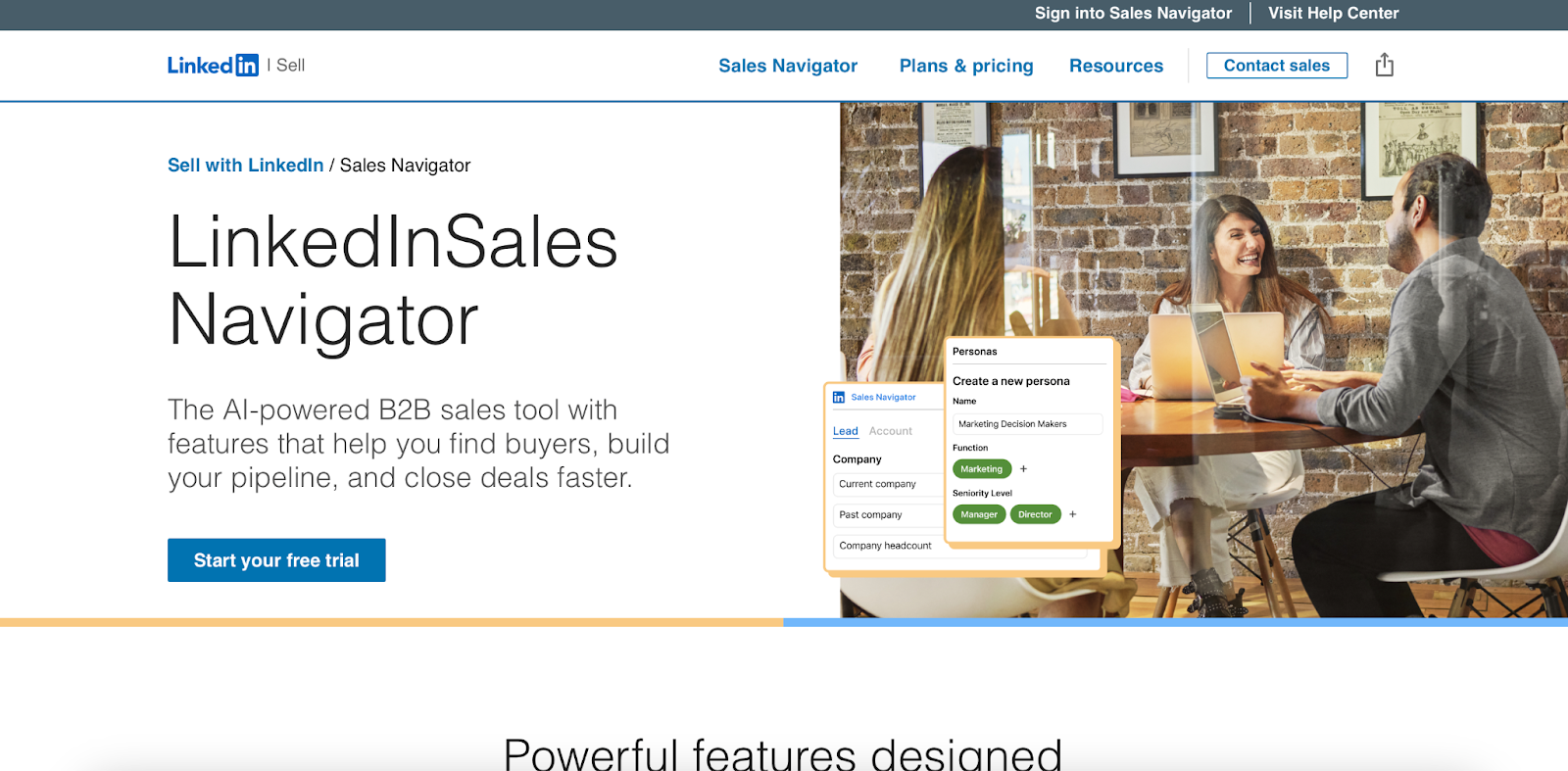
LinkedIn Sales Navigatorleverages the world's professional network for warm outreach. Unique advantages:
Real-time profile updates
Warm introduction paths
TeamLink collaboration
Account mapping
Native LinkedIn messaging
Professional plans cost $99 monthly per user, with enterprise pricing available.
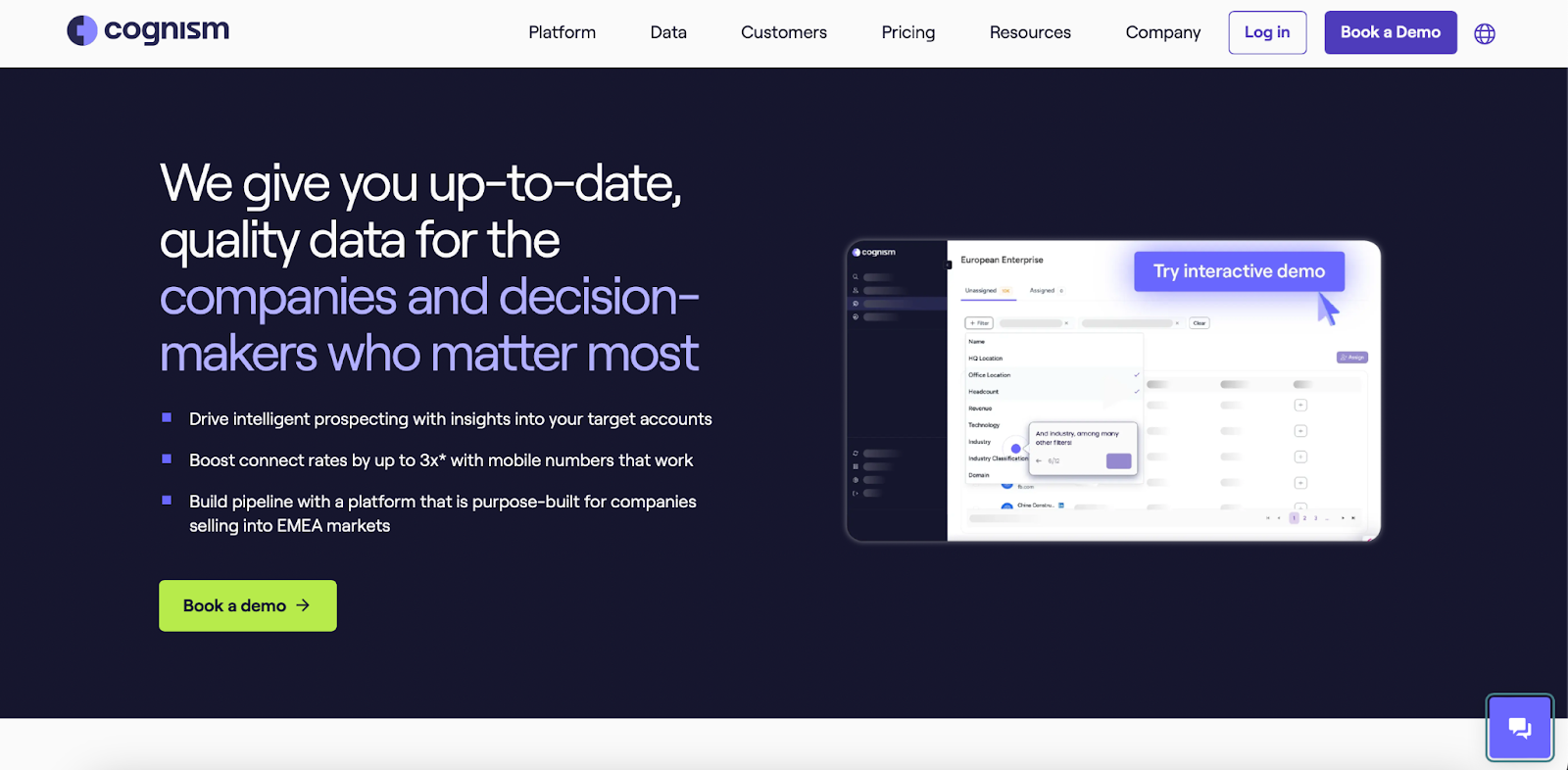
Cognism focuses on GDPR-compliant data with exceptional mobile number coverage. They excel in European markets where compliance matters most. Pricing typically ranges from $12,000-30,000 annually.
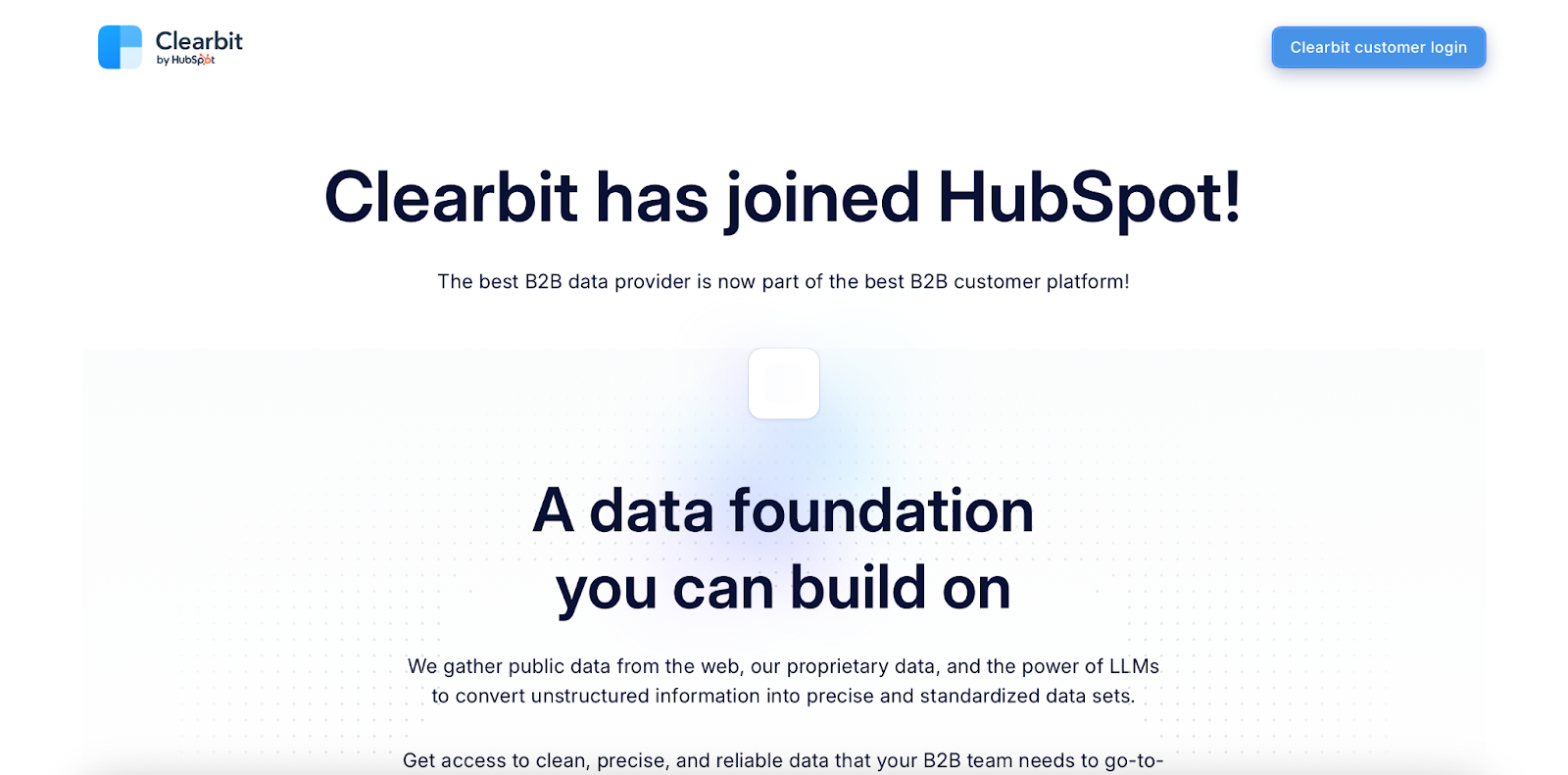
Clearbit (now Breeze Intelligence) provides real-time enrichment and website visitor identification. Their HubSpot acquisition created native integration advantages. Pricing varies but typically runs $12,000-24,000 annually.
Match platform strengths to your needs. Global enterprises need ZoomInfo's scale. Social sellers leverage Sales Navigator. European companies require Cognism's compliance focus. HubSpot users benefit from Clearbit's integration.
Category 4: Intent Data Platforms
Intent data identifies prospects actively researching solutions like yours. This timing intelligence transforms cold outreach into warm conversations with buyers already in-market.
Understanding Intent Signals
Intent data tracks digital behaviors that indicate buying interest:
Content consumption patterns
Search query trends
Website visit frequency
Competitor research activity
Technology evaluation behavior
According to Gartner research, companies using intent data see 2.2x higher conversion rates compared to traditional targeting alone. Timing matters more than most teams realize.
Leading Intent Data Providers
Bombora pioneered B2B intent data with their cooperative data model. Their "Company Surge" scores identify accounts showing unusual research activity. Integration with major platforms makes activation straightforward. Pricing typically starts at $36,000 annually.
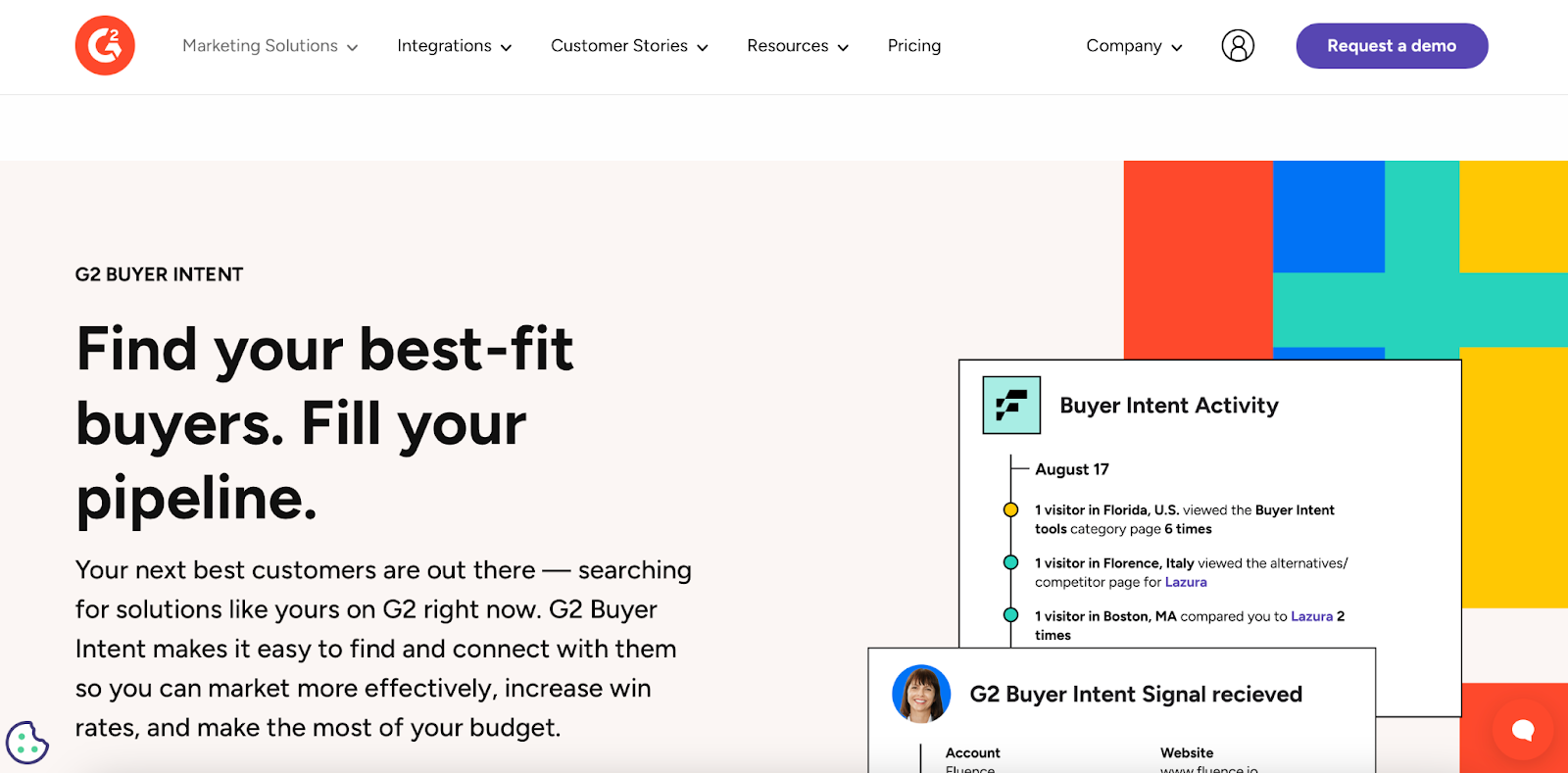
G2 Buyer Intentcaptures software purchase signals from the world's largest software marketplace. They identify companies researching specific categories and competitors. Pricing begins around $12,000 annually with category-specific options.
6sense combines intent data with predictive analytics and orchestration. Their platform identifies anonymous website visitors and predicts purchase timing. Enterprise pricing starts around $50,000 annually.
Intent data works best as a prioritization layer, not a standalone solution. Use signals to identify hot accounts, then deploy your best messaging and reps to capitalize on timing advantages.
Category 5: SDR Productivity and AI Tools
Modern SDRs need superhuman productivity to hit escalating quotas. AI and automation tools eliminate repetitive tasks, improve message quality, and accelerate learning curves.
Conversation Intelligence Revolution
Conversation intelligence platforms analyze calls to identify what works. They surface coaching opportunities, track talk patterns, and highlight winning behaviors.
Gong leads the category with sophisticated analytics across calls, emails, and meetings. Their revenue intelligence platform identifies deal risks and coaching opportunities. Pricing starts around $12,000 annually per team.
Chorus.ai (now part of ZoomInfo) offers similar capabilities with tighter ZoomInfo integration. Their strength lies in deal and forecasting intelligence.
Fireflies.ai democratizes conversation intelligence at $19 per user monthly. They provide transcription, note-taking, and basic analytics at a fraction of competitor prices.
AI Writing Assistants
AI tools now help craft better emails faster:
Lavender analyzes emails in real-time, suggesting improvements for better response rates. Their scoring system helps SDRs learn what works. Pricing at $29 monthly makes them accessible to everyone.
Copy.aigenerates email variations, subject lines, and social messages. Their templates accelerate content creation while maintaining personality. Plans start at $49 monthly.
These tools don't replace human creativity but amplify it. SDRs who embrace AI assistance consistently outperform those relying solely on manual effort.
A tip from us: Start with one productivity tool and master it before adding more. Too many tools create complexity that reduces productivity. Pick the biggest time waster for your team and solve that first.
Individual tools don't drive results. Integrated stacks do. The difference between random tools and an integrated stack is the difference between noise and symphony.
Multi-Channel Orchestration
Modern buyers don't respond to single channels. Research shows it takes an average of 8 touchpoints across email, phone, and social to generate a meeting. Orchestrating these touches requires careful tool selection and integration.
Build your multi-channel approach by:
Starting with email as your foundation
Adding LinkedIn for warm connections
Incorporating phone for high-value targets
Testing video for differentiation
Exploring SMS for urgent follow-ups
Each channel needs specific tools but must integrate into your core engagement platform. Disconnected channel tools create chaos instead of coordination.
CRM as the Central Hub
Your CRM must remain the system of record. All tools should sync data bidirectionally, ensuring:
Complete activity logging
Accurate attribution tracking
Consistent data across systems
Unified reporting capabilities
Clean handoffs between teams
Salesforce, HubSpot, and Microsoft Dynamics dominate B2B CRM. Choose tools with native integrations to your CRM. Custom integrations break, create delays, and cause data inconsistencies.
Budget Planning and ROI Analysis
Sales tools require significant investment. The average B2B company spends $5,000-10,000 per SDR annually on tools. Understanding ROI helps justify investment and optimize spending.
Building Your Investment Framework
Categorize tools by necessity:
Essential (60% of budget):
Sales engagement platform
CRM system
Email deliverability tools
Basic sales intelligence
Performance-enhancing (30% of budget):
Advanced intelligence data
Intent signals
Conversation intelligence
AI assistants
Experimental (10% of budget):
New channels
Emerging technologies
Pilot programs
Innovation testing
This framework ensures core capabilities while leaving room for innovation and growth.
Calculating Real ROI
Tool ROI extends beyond direct revenue attribution. Consider:
Productivity gains: If tools save 10 hours weekly per rep at $50/hour, that's $26,000 annually per person.
Quality improvements: Increasing meeting quality by 20% might generate 2-3 more deals per rep quarterly.
Competitive advantage: Having superior tools helps recruit better talent and win more deals.
Most companies see positive ROI within 90-120 days when implementing thoughtfully. The key is measuring comprehensively and optimizing continuously.
Implementation and Adoption Strategies
The best tools fail without proper implementation. Research shows 67% of sales tool implementations fail to deliver expected value due to poor rollout and adoption issues.
Phased Rollout for Success
Implement tools gradually:
Week 1-2: Core setup and configuration
Week 3-4: Pilot team training and testing
Week 5-8: Gradual team expansion
Week 9-12: Full deployment and optimization
This approach identifies issues early, builds internal champions, and ensures sustainable adoption.
Driving User Adoption
Adoption determines success more than features. Drive adoption through:
Clear value communication to users
Comprehensive training programs
Regular reinforcement sessions
Success story socialization
Usage accountability metrics
Continuous optimization based on feedback
Remember: tools serve people, not vice versa. If reps resist using something, understand why before forcing adoption.
Future-Proofing Your Stack
Sales technology evolves rapidly. Today's cutting-edge becomes tomorrow's table stakes. Build flexibility into your stack to adapt without constant overhauls.
Emerging Trends to Watch
Generative AI will transform prospecting by 2026. Early adopters already use AI for research, personalization, and response handling. Prepare by choosing platforms with AI roadmaps and open architectures.
Predictive analytics will identify opportunities before competitors. Platforms that combine behavioral data with machine learning will dominate. Ensure your stack can incorporate predictive signals.
Automation will handle increasing complexity. Multi-step workflows, conditional logic, and intelligent routing will become standard. Select platforms built for automation sophistication.
Building Flexibility
Choose platforms with:
Open APIs for custom integration
Regular product updates and innovation
Strong partner ecosystems
Flexible contracts allowing changes
Clear product roadmaps
Commitment to standards and interoperability
This flexibility ensures your stack evolves with your needs rather than constraining them.
Tool selection paralyzes many teams. Analysis paralysis prevents progress while competitors pull ahead. Use this framework to decide confidently:
Start with your biggest constraint. If reps waste time researching, prioritize intelligence tools. If emails aren't getting responses, focus on deliverability. If you can't scale outreach, invest in automation.
Run limited pilots before committing. Test 2-3 options with small groups for 30 days. Measure specific outcomes. Let data guide decisions.
Consider the total cost of ownership beyond license fees. Include implementation, training, integration, and management time. Cheaper tools that require more work might cost more overall.
Value ecosystem strength over individual features. Platforms with strong ecosystems provide more long-term value than isolated point solutions.
The companies dominating B2B sales in 2025 won't necessarily have the most tools. They'll have the right tools, properly integrated, with teams trained to extract maximum value. Focus on building that reality rather than chasing every shiny new platform.
Your next step? Audit your current stack against the categories outlined here. Identify gaps causing the most pain. Research 2-3 solutions for your biggest gap. Run a pilot. Measure results. Scale what works. Repeat quarterly.
Within 12 months, you'll have transformed random tools into an integrated stack that systematically generates pipeline while your competitors still struggle with spreadsheets and manual processes.
Expand Your Learning By Reading These Industry-Related Articles
Interested in improving your skills and learning more about business operations to generate and convert leads? Check out the following articles: